Aluminum Nitride: A Material for Thermal Management in Electronics
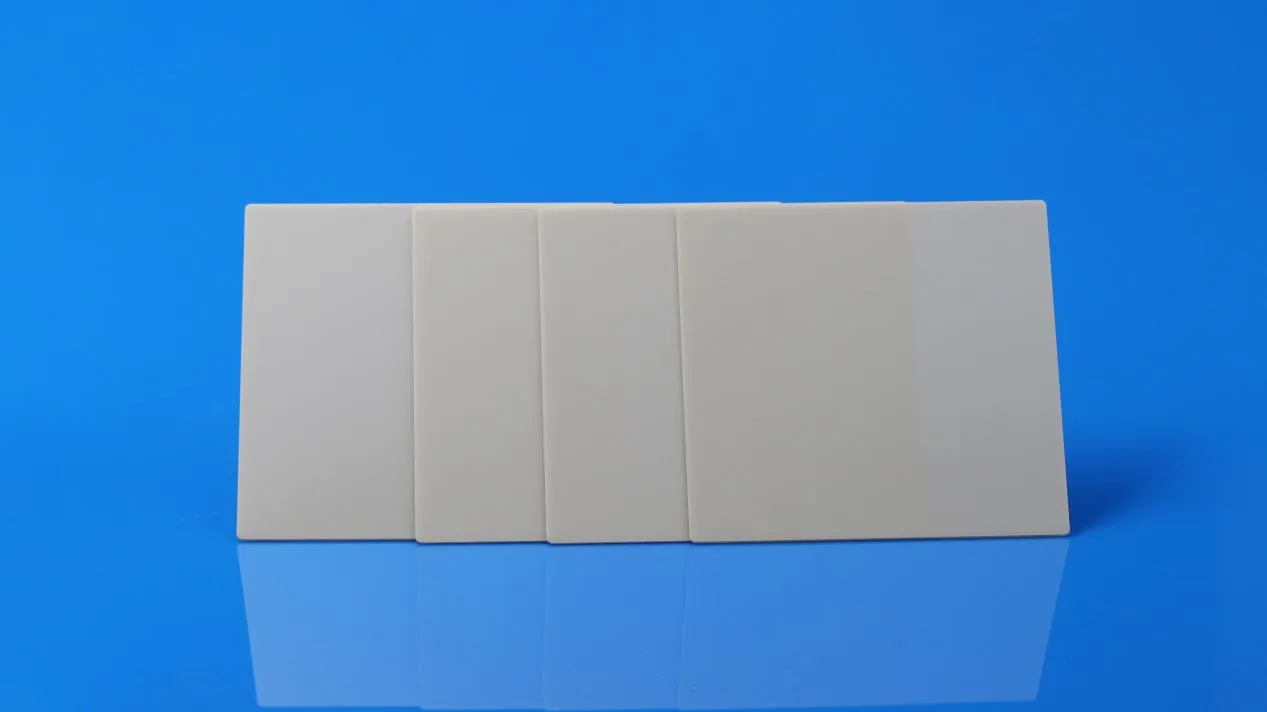
Aluminum Nitride (AlN) is a high-performance ceramic substrate crucial for managing heat in demanding electronic applications. It offers exceptional thermal conductivity2, allowing heat to rapidly dissipate from critical components before it reaches the heatsink, thus preventing performance degradation and failures.
From our 13+ years in ceramic substrates, I've seen many thermal challenges. My experience shows the bottleneck is often earlier, before the heatsink. We believe effective thermal management begins right at substrate selection.
Why is substrate choice critical for thermal path optimization?
Facing persistent thermal issues? Your components are too hot, and your current cooling isn't enough. The problem might not be with your heatsink.
Substrate choice is paramount because it forms the first critical layer for heat transfer away from active devices. If this initial thermal bottleneck isn't addressed, even the best heatsink cannot effectively remove heat trapped at the source.
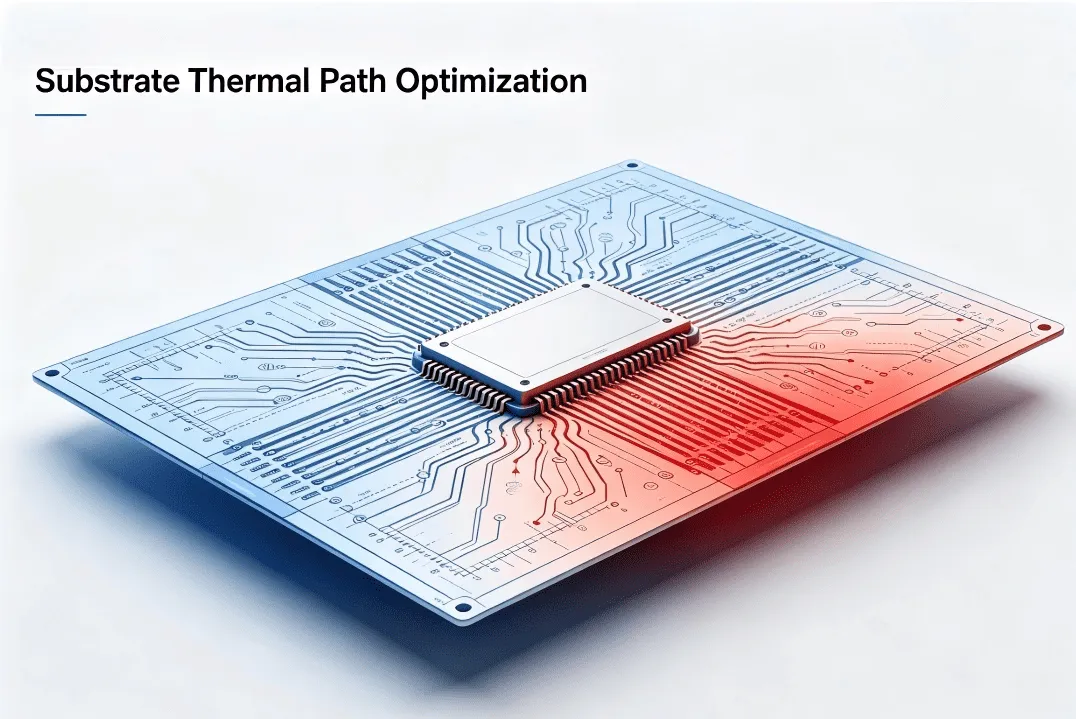
I've seen engineers focus heavily on external cooling, overlooking the substrate. My team emphasizes heat must first escape the device and pass through the substrate. Think of a clogged drain; water won't flow if it's blocked. A low thermal conductivity substrate acts like that. For high-power modules, like IGBTs or LEDs, FR4 or alumina can be a major thermal resistance3. Heat builds up fast, leading to high temperatures, reduced efficiency, and failure. Choosing a substrate with superior thermal conductivity, like Aluminum Nitride, is like widening that drain. It ensures heat from the chip is wicked away instantly. This prevents hot spots and allows the cooling system to work much better. It's about proactive heat management at the source. We ensure heat has an easy path out from the start.
| Feature | Alumina (Al2O3) | Aluminum Nitride (AlN) | FR4 PCB |
|---|---|---|---|
| Thermal Conductivity | ~20-30 W/mK | ~170-220 W/mK | ~0.3 W/mK |
| Cost | Medium | High | Low |
| CTE Match to Si4 | Fair | Excellent | Poor |
| Electrical Insulation | Excellent | Excellent | Good |
How does Aluminum Nitride improve thermal dissipation before the heatsink?
Still seeing hot spots despite your cooling efforts? Your current substrate might be the silent saboteur, trapping heat where it hurts most.
Aluminum Nitride dramatically improves thermal dissipation by offering exceptional thermal conductivity, acting as a super-highway for heat. This efficiency allows heat to move away from active devices much faster than with traditional materials, effectively reducing junction temperatures.
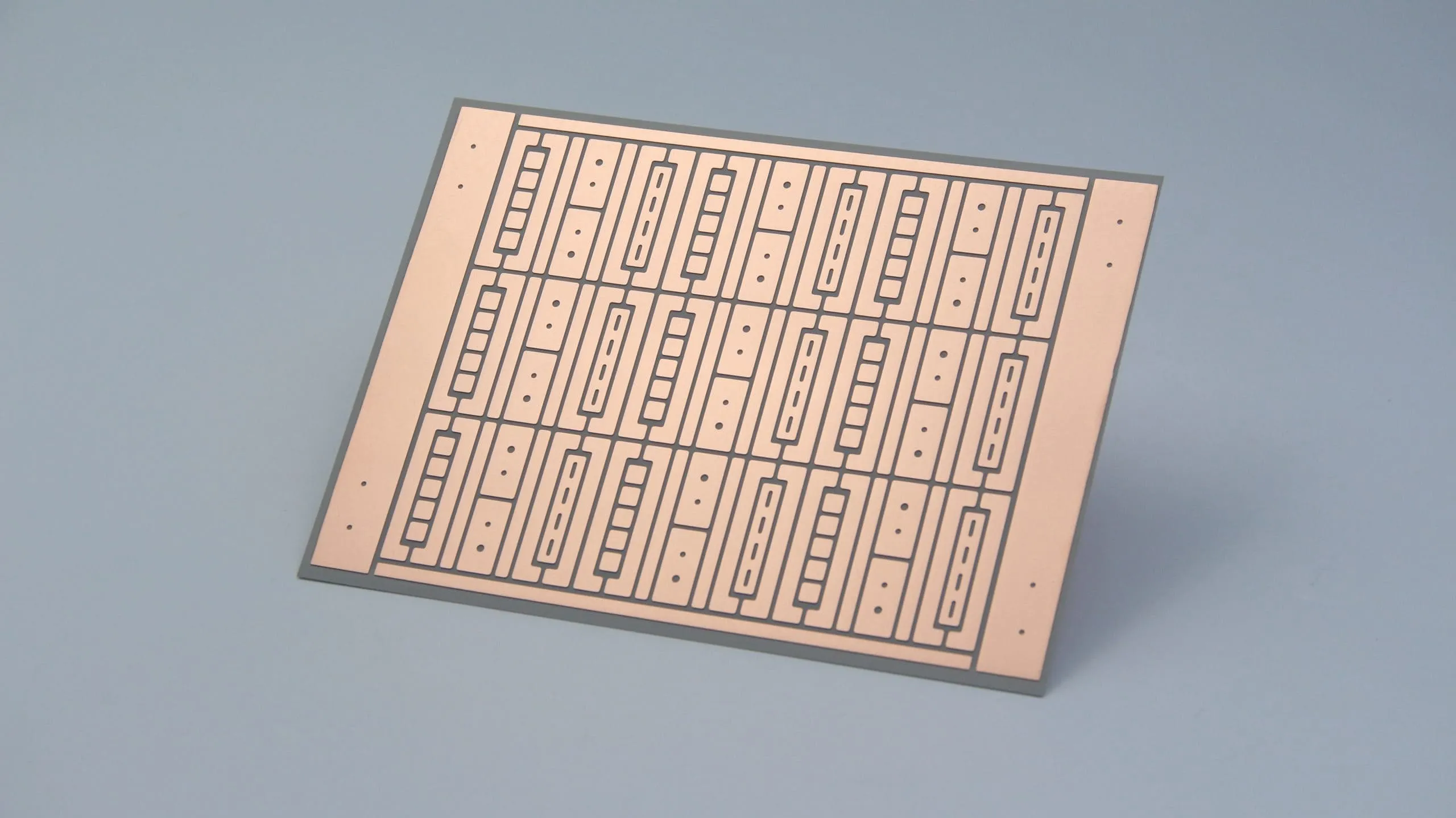
When I talk to engineers, I explain AlN's role as a high-speed data line for heat. Imagine your powerful semiconductor generating heat. If it sits on a slow network (low thermal conductivity substrate), heat "data" backs up. Connect it to a fiber optic cable (AlN), and data flows instantly. That's AlN's impact. Its crystal structure is very efficient at transferring phonons, heat carriers in insulators.5 This gives it thermal conductivity up to 220 W/mK6, far better than alumina's 20-30 W/mK7. This fast heat transfer is key for device reliability and performance. In power modules or advanced LED packaging, junction temperature is critical. A 10°C drop can roughly double lifespan8. By using AlN, we quickly whisk heat away from the junction. This keeps operating temperatures lower. It means less stress, higher power density, and a more robust product. My team sees better thermal stability with our AlN substrates. It’s optimizing the first step in heat management.
| Aspect | Traditional Substrate (e.g., Alumina) | Aluminum Nitride (AlN) | Benefit of AlN |
|---|---|---|---|
| Heat Spreading | Limited, can create hot spots | Excellent, spreads heat quickly | Prevents localized overheating, evens out temperature |
| Junction Temperature | Higher, leading to faster degradation | Significantly lower | Extends device lifespan, improves reliability |
| Power Density | Restricted by thermal limits | Enables higher power density designs | Allows more powerful, compact devices |
| Heatsink Effectiveness | Reduced due to upstream bottleneck | Maximizes heatsink efficiency by delivering heat effectively | Optimizes overall cooling system performance |
Where does Aluminum Nitride truly shine in high-power applications?
Building cutting-edge power electronics? Traditional materials might be holding back your designs. Discover where AlN makes a real difference.
Aluminum Nitride excels in high-power applications where extreme thermal demands are present, such as IGBT modules, high-brightness LEDs, and charging pile power components. Its superior thermal conductivity and excellent CTE match to silicon make it indispensable.
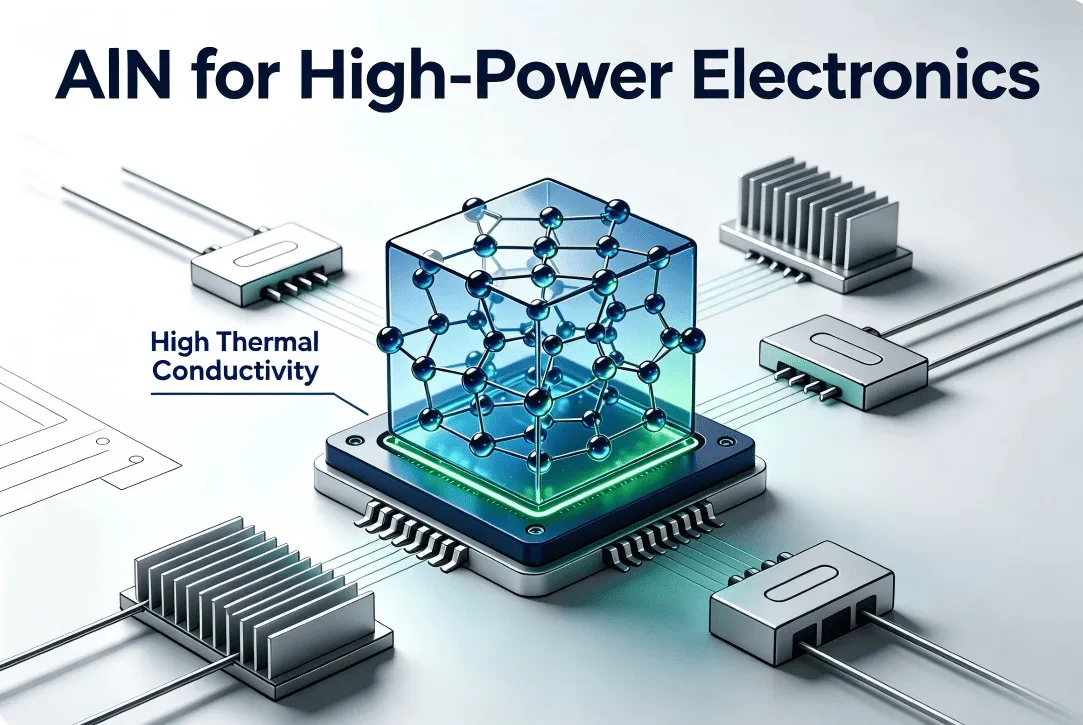
From our factory in Xiamen, I've seen AlN become the go-to for clients pushing power electronics limits. We make specialized AlN substrates, like 37x26x1.0mm, perfect for demanding roles. Take IGBT modules, central to EVs and renewable energy9. Managing their immense heat is critical. High currents and voltages generate substantial heat. Without an efficient path, performance drops and failure risks rise. AlN's high thermal conductivity rapidly transfers heat away from the IGBT dies. This keeps junction temperatures safe. It means higher efficiency, greater power output, and better reliability for the whole system. High-power LED packaging is another area where AlN shines10. AlN substrates dissipate this heat effectively, maintaining light output and extending life. Our DPC copper plating on AlN11 further enhances this. For charging piles and energy storage, continuous high power is standard12. AlN substrates provide the thermal backbone. They ensure reliable daily operation, safety, and performance.
| Application Sector | Specific Use Cases | Why AlN is Crucial |
|---|---|---|
| Power Electronics | IGBT/MOSFET Modules, Power Inverters, Converters | Manages extreme heat, prevents thermal runaway, ensures stability and efficiency. |
| LED Lighting | High-Brightness LEDs, Automotive Headlights | Dissipates concentrated heat, maintains light output, extends LED lifespan. |
| Automotive Electronics | EV Power Modules, Charging Systems, Sensors | Handles harsh thermal cycling and high power, essential for reliability and safety. |
Conclusion
In conclusion, effective thermal management begins with the right substrate. Aluminum Nitride offers a superior solution, rapidly conducting heat away from critical components. This ensures optimal performance and extended lifespan for your high-power electronic devices. For more information about AlN ceramic substrates or get pricing, welcome to contact sales@innovacera.com.


Comments
Post a Comment