Beyond 1200°C: How Ceramic Brazed Assemblies Survive Extreme Manufacturing
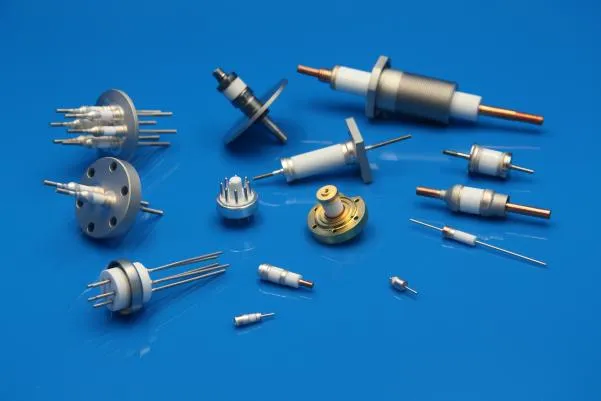
If you work in ultra-high vacuum (Uhv) manufacturing, you’ve probably run into ceramic brazed assemblies. They’re what happen when you take the best parts of ceramics and metals and put them together—high-temp resistance, corrosion protection, electrical insulation from the ceramic side, plus strength, conductivity, and formability from the metal side. You’ll find them in aerospace, semiconductors, medical gear, renewable energy—pretty much anywhere the operating conditions get nasty.
How It Works
Ceramic brazing assemblies uses specialized filler metals to create strong, vacuum-tight joints. Could be ceramic-to-ceramic, could be ceramic-to-metal. What makes it cool? It bonds two totally different materials without messing up the ceramic’s natural properties. So you end up with something that gives you the heat resistance and insulation of ceramic, plus the mechanical beef of metal. When you’re designing for extreme environments—high heat, high pressure, aggressive corrosion, high voltage—this stuff beats traditional joining methods every time. That’s not marketing talk, that’s just how it performs.
Why Engineers Spec It
We’re talking survival from -200°C all the way past 1200°C. Thermal shock? No problem. Acid exposure? Bring it. Oxidation? These things laugh at it. Whether your application lives in liquid nitrogen or sits inside a turbine, these joints hold up. Traditional components age out and fail. These don’t.
Micron-level joining precision. By controlling temperature curves, atmosphere, and filler composition tight, we get joints with zero porosity, zero cracks, zero weak points. They’re hermetic. They’re mechanically sound. That’s why you spec these for medical imaging systems and optical instruments—places where “good enough” means field failures.
This isn’t just gluing stuff together. The brazing process creates real synergy between the materials. Look at power electronics: ceramic handles the insulation, metal handles the current. Better heat dissipation, cleaner signals. Look at fuel cells: the corrosion resistance and hermeticity keep them running long after conventional joints would’ve given up.
The fillers and processes meet environmental standards—no toxic fumes, no hazardous waste. And because these components last, you’re not constantly replacing parts. Less downtime, less resource burn. It’s green manufacturing that actually works in production.
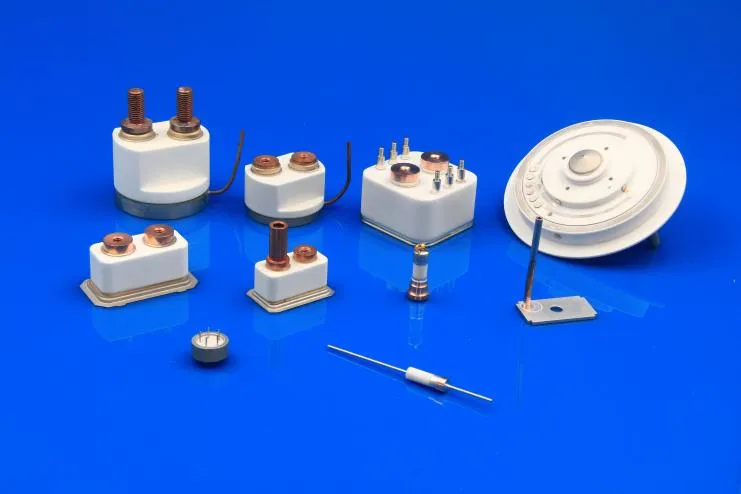
Where you’ll find it
Aerospace? Lighter, stronger engine components. Semiconductors? Stable, precision parts for wafer fab gear. Medical? Components that survive sterilization. Renewable energy? Longer life for fuel cells and power electronics.
What’s next
Performance requirements keep climbing, so the tech keeps evolving. Better precision, broader environmental range, lower cost. Ceramic brazed assemblies will show up in more places—pushing manufacturing toward smarter, cleaner, more efficient territory. It’s not just a joining process anymore—it’s an enabler.


Comments
Post a Comment